
Cut Resistant Gloves NZ | Understanding Cut Ratings & Safety Standards
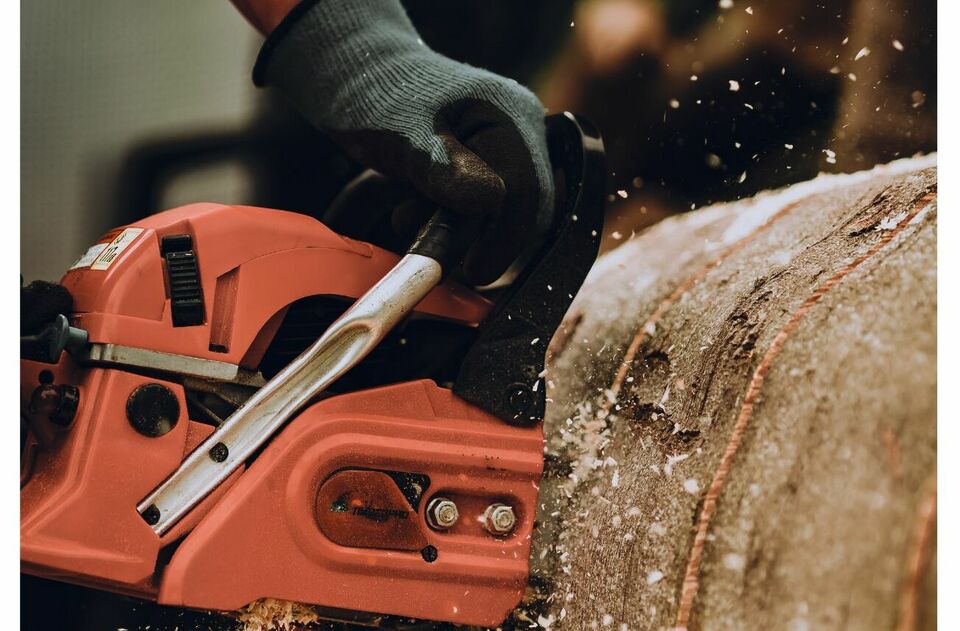
Choosing the Right Cut Resistant Gloves for the Job
Cut resistant gloves are an essential part of workplace safety across many New Zealand industries. From construction and manufacturing to engineering, warehousing, agriculture, and food processing, workers rely on quality hand protection when handling sharp tools, machinery, and materials.
Choosing the right cut resistant gloves is about more than simply selecting the highest level of protection. The correct glove needs to provide the right balance of cut resistance, comfort, grip, flexibility, and dexterity for the task being performed.
In this guide, we explain what cut resistant gloves are, why they are important, how cut ratings work, and how to choose the right level of protection for your workplace.
What Are Cut Resistant Gloves?
Cut resistant gloves are specially designed to protect hands from cuts, abrasions, tears, and punctures when working with sharp objects or materials.
Unlike standard work gloves, cut resistant gloves are manufactured using high-performance fibres and protective materials designed to withstand cutting forces while still allowing workers to maintain good hand movement and control.
They are commonly used in workplaces where employees may come into contact with:
- Sharp metal edges
- Glass and ceramics
- Blades and cutting tools
- Machinery components
- Building materials
- Industrial equipment
While cut resistant gloves significantly reduce the risk of hand injuries, it is important to remember that "cut resistant" does not mean "cut proof". No glove can provide complete protection against every hazard, which is why selecting the correct glove for the task is essential.
Why Cut Resistant Gloves Are Important
Hand injuries are among the most common workplace injuries in New Zealand, particularly in industries where workers regularly handle sharp tools, machinery, and materials.
Cut resistant gloves help:
- Reduce the risk of cuts and lacerations
- Improve workplace safety
- Protect workers when handling sharp materials
- Increase confidence when performing high-risk tasks
- Support workplace health and safety requirements
- Provide protection without sacrificing comfort and dexterity
For employers, choosing appropriate hand protection is an important part of creating a safer working environment and reducing preventable workplace injuries.
Understanding Cut Ratings
One of the most important factors when choosing cut resistant gloves is understanding the glove's cut rating.
A cut rating measures how resistant a glove is to being cut by a sharp blade under controlled testing conditions. The higher the rating, the greater the level of cut protection provided.
However, the highest cut rating is not always the best choice. A glove that provides maximum protection but reduces flexibility or grip may not be suitable for every task.
The ideal glove should provide the right level of protection while allowing workers to complete their tasks safely and efficiently.
EN388 vs ANSI Cut Ratings
There are two main standards used internationally to measure cut resistance in protective gloves: the EN388 Standard and the ANSI Cut Standard.
EN388 Standard
The EN388 Standard is the most widely recognised glove testing standard internationally and is commonly referenced in New Zealand and Australia.
EN388 evaluates gloves for:
- Abrasion resistance
- Blade cut resistance
- Tear resistance
- Puncture resistance
- Cut resistance using the ISO 13997 test method
Modern EN388 ratings use an A–F scale for cut resistance, with F representing the highest level of protection.
This testing system provides users with a detailed understanding of the overall protective performance of a glove.
ANSI Cut Standard
The ANSI cut standard is primarily used in the United States.
Unlike EN388, which measures several areas of glove performance, ANSI focuses specifically on cut resistance. Gloves are given a numerical rating based on the force required to cut through the glove material.
While ANSI ratings may appear on some imported gloves, many gloves used in New Zealand workplaces are tested against EN388 and AS/NZS standards.
AS/NZS Glove Standards in New Zealand
In New Zealand and Australia, protective gloves are assessed under the AS/NZS 2161 series of standards, which align closely with internationally recognised glove testing requirements.
These standards help ensure that protective gloves supplied to workplaces meet strict performance criteria for safety and reliability.
For businesses, selecting gloves that meet recognised standards provides confidence that workers are using appropriate protection for the hazards they face.
How to Choose the Right Cut Resistant Gloves
The right cut resistant glove depends on the specific job and workplace environment.
Before selecting gloves, consider:
- The type of materials being handled
- The likelihood of contact with sharp edges or blades
- The required level of cut protection
- Whether additional protection against abrasion, punctures, or impacts is needed
- The level of grip and dexterity required
- How long the gloves will be worn during each task
A glove designed for detailed assembly work may be very different from a glove required for heavy construction or metal fabrication.
The goal is always to find the right balance between protection, comfort, and productivity.
Industries That Use Cut Resistant Gloves
Cut resistant gloves are used across many industries throughout New Zealand, including:
Construction
Builders and construction workers use cut resistant gloves when handling tools, metal components, building materials, and equipment.
Manufacturing and Engineering
Manufacturing environments often involve sharp metal parts, machinery, and production processes where hand protection is essential.
Warehousing and Logistics
Workers handling packaging materials, pallets, machinery, and stored goods can benefit from gloves that provide protection while maintaining grip.
Agriculture
Farm workers often handle fencing materials, machinery, tools, and equipment where cuts and abrasions are possible.
Food Processing
Food production environments may require cut resistant gloves when working with knives, cutting equipment, or food processing machinery.
Glass Handling
Workers handling glass products require gloves that provide reliable protection against sharp edges while maintaining control.
Caring for Your Cut Resistant Gloves
Proper care helps maintain the performance and extend the usable life of your gloves.
To keep your gloves in good condition:
- Inspect gloves before each use for damage or excessive wear
- Follow manufacturer cleaning instructions
- Allow gloves to dry completely before storage
- Replace gloves if they become damaged, weakened, or no longer provide adequate protection
Regular checks help ensure your gloves continue performing as intended.
Frequently Asked Questions
What does a cut rating mean on gloves?
A cut rating indicates how resistant a glove is to cutting hazards during standardised testing. Higher ratings provide greater protection against cuts.
Are cut resistant gloves cut proof?
No. Cut resistant gloves reduce the risk of injury but are not completely cut proof. They should always be selected based on the hazards involved in the task.
What industries use cut resistant gloves?
Cut resistant gloves are commonly used in construction, manufacturing, engineering, warehousing, agriculture, food processing, glass handling, and many other industries where sharp materials are present.
What is the difference between EN388 and ANSI?
EN388 tests multiple glove performance areas including abrasion, tear, puncture, and cut resistance. ANSI focuses primarily on measuring cut resistance.
Protect Your Hands with the Right Cut Resistant Gloves
Choosing the right cut resistant gloves is an important part of workplace safety. The correct gloves help protect your hands while allowing you to work confidently, comfortably, and efficiently.
Whether you need protection for construction, manufacturing, engineering, agriculture, or general workplace tasks, selecting gloves with the appropriate cut rating ensures you have the right protection for the job.
Browse our range of cut resistant gloves designed for New Zealand workplaces and find the right level of protection today.
Posted: Tuesday 23 April 2024