
Best Disposable Gloves for Mechanics in NZ | Why Nitrile Beats Latex & Vinyl Every Time
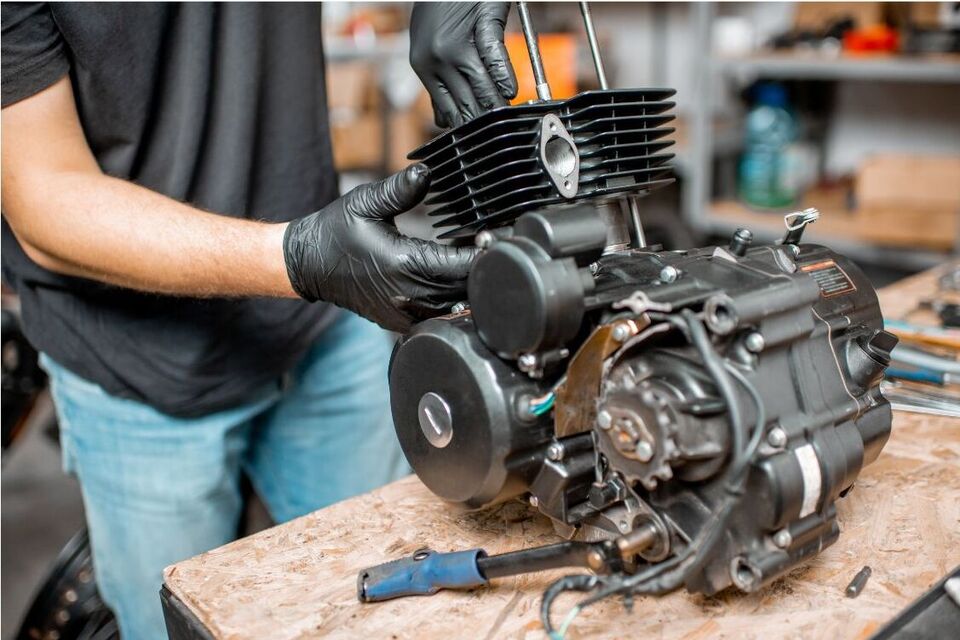
The Essential Role of Disposable Gloves for Mechanics
When you’re up to your elbows in grease, oil, or fuel, the right disposable gloves aren’t just handy — they’re essential. In workshops across New Zealand, smart mechanics trust nitrile and chemical-resistant gloves to keep their hands protected, comfortable, and ready for the next job.
Why Disposable Gloves Matter for Every Mechanic
Mechanics handle tough tasks daily — from oil changes to engine rebuilds — and come into contact with harsh chemicals, oils, and solvents. Disposable gloves create a crucial barrier between your skin and these substances, protecting you from chemical burns, grime, and skin irritation.
But not all disposable gloves are suitable for workshop conditions — here’s why nitrile is the preferred choice for mechanics in NZ.
Why Nitrile Gloves Are the Top Choice for Mechanics
Nitrile gloves are the gold standard in Kiwi workshops for a reason:
-
Chemical Resistance: Nitrile stands up to oils, fuels, and automotive chemicals far better than latex or vinyl.
-
Durability: No sudden rips or tears when you’re deep in a job — nitrile is puncture-resistant and tough.
-
Latex-Free: No risk of skin allergies for you or your team.
-
Comfort & Grip: Modern nitrile gloves fit snugly like a second skin, with great flexibility and textured grip for precise work.
If you need extra protection, heavy-duty chemical-resistant nitrile gloves offer even stronger defence for high-exposure jobs.
Nitrile gloves are highly favored in the automotive industry for a reason. These gloves offer excellent chemical resistance, making them ideal for handling oils, solvents, and other hazardous substances. They're also highly durable, reducing the likelihood of tears or punctures. For mechanics, nitrile gloves provide a strong and reliable shield without sacrificing dexterity.
Why Latex & Vinyl Gloves Fall Short for Mechanics
Latex Gloves:
Latex gloves offer flexibility and comfort, but in automotive environments they degrade quickly when exposed to oils and solvents. They can also trigger allergic reactions, making them less suitable for busy workshops where safety and reliability matter.
Vinyl Gloves:
Vinyl gloves are budget-friendly — but that low cost comes at a price. Vinyl is much weaker than nitrile. It tears easily under stress, offers poor chemical resistance, and when stretched, loses its protective barrier. For mechanics dealing with oils and grime, vinyl just doesn’t cut it.
If you’re still using latex or vinyl, it might be time to upgrade to nitrile — your hands will thank you!
Key Benefits of Nitrile Disposable Gloves in Workshops
✔ Protection: Keeps oil, grease, and chemicals off your skin.
✔ Durability: Less chance of tearing mid-task.
✔ Comfort: Snug fit and excellent grip for detailed work.
✔ Hygiene: Reduces cross-contamination in your workspace and vehicle interiors.
Best Practices for Using Disposable Gloves
-
Choose the Right Size: A good fit means better dexterity and fewer rips.
-
Donning & Removal: Always put gloves on clean, dry hands. Remove gloves safely to avoid skin contact with chemicals.
-
Disposal: Dispose of used gloves responsibly — and consider biodegradable nitrile options if available.
FAQ: Disposable Mechanic Gloves NZ
Are nitrile gloves better than latex or vinyl for mechanics?
Absolutely. Nitrile is stronger, more chemical-resistant, and latex-free — making it the best choice for tough workshop tasks.
Do mechanics in NZ use disposable gloves?
Yes! Disposable nitrile gloves are a must-have in Kiwi workshops to keep hands safe and jobs clean.
Where can I buy nitrile mechanic gloves in NZ?
Right here! NZ Glove Solutions supplies high-quality nitrile and chemical-resistant gloves, trusted by mechanics across New Zealand.
Final Thoughts
Your hands are your best tools — protect them with the best. Ditch the latex and vinyl, and choose nitrile disposable gloves built for the demands of Kiwi workshops.
Shop our nitrile mechanic gloves here and see why so many NZ mechanics are making the switch. Work smart, work safe, and keep your hands protected — every day.
Posted: Saturday 21 September 2024